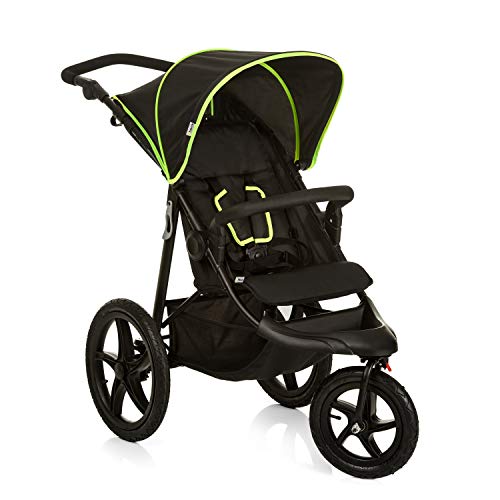
Why No One Cares About Off Road Travel System
Exploring Off-Road Travel Systems: Your Guide to Adventure
Off-road travel provides a thrilling escape from the ordinary, permitting travelers to check out rugged terrains, breathtaking landscapes, and remote environments. Whether for leisure or utility, off-road travel systems encompass cars, devices, and preparation methods that help with these journeys into the wild. This blog site post will delve into the crucial elements of off-road travel systems, suggestions for planning your adventure, and frequently asked questions to help you browse this exhilarating world.
Understanding Off-Road Travel Systems
An off-road travel system consists not just of the automobiles themselves however likewise the equipment, tools, and methods necessary for effective off-roading. This system can include:
Off-Road Vehicles: These are specially created to hold up against rough surfaces. Typical examples consist of trucks, SUVs, ATVs, and motorcycle.
Safety Equipment: Essential for making sure a safe journey, including helmets, very first aid kits, and healing equipment.
Navigation Tools: GPS devices, maps, and compasses that help in accurately plotting a course through unknown territories.
Camping Gear: For extended journeys, outdoor camping equipment becomes essential. This consists of camping tents, cooking equipment, and other essentials.
Maintenance Tools: Off-road cars can suffer wear and tear; therefore, a toolkit for on-the-go repairs is very important.
Secret Components of Off-Road Travel Systems
Below is a detailed table showing the essential elements of a thorough off-road travel system:
Component
Description
Key Examples
Off-Road Vehicles
Automobiles designed for rough, uneven surfaces
Trucks, SUVs, ATVs, motorcycle
Security Gear
Equipment to safeguard and react to injuries
Helmets, very first help packages, seat belts
Navigation Tools
Gadgets or tools to help navigate the terrain
GPS units, physical maps, compasses
Camping Equipment
Gear for comfy over night remain in the field
Tents, sleeping bags, cooking supplies
Maintenance Tools
Equipment required for lorry upkeep during the journey
Tire repair kits, wrenches, oils
Preparation Your Off-Road Adventure
Planning an off-road experience includes cautious consideration of different factors to optimize the experience while guaranteeing safety. Below are vital actions to think about:
Research Your Destination: Understand the terrain, ease of access, and potential challenges.
Choose the Right Vehicle: Select a lorry that matches the terrain and the size of your group.
Prepare Your Equipment: Make sure your car is fully equipped with the best security equipment, navigation tools, and outdoor camping products.
Create a Detailed Itinerary: Include your route, estimated travel times, and stopping points.
Notify Others of Your Plans: Always let someone know your schedule in case of emergencies.
Pack Smart: Bring only what you need to save area and weight but guarantee you have all basics.
Check Weather Conditions: Keep updated on weather forecasts to get ready for prospective ecological obstacles.
Often Asked Questions (FAQ)
1. What type of automobile is best for off-road travel?
The best automobile depends upon the terrain and function of the journey. Normally, 4x4 trucks or SUVs are popular for their power and storage capability, while ATVs are preferred for more treacherous terrains.
2. Is off- 4 Wheel All-Terrain Pushchair ?
Off-road travel can be safe if properly planned. Ensure you have the ideal equipment, understand your car, have a map of the location, and are prepared for emergencies.
3. Do I require an unique license for off-road driving?
Licensing requirements vary by area. In lots of places, a basic chauffeur's license is adequate, but some locations might require special authorizations for particular automobiles.
4. What are important security items to carry?
Basic safety items include an emergency treatment package, extra water, fire-starting products, a flashlight, and tools for small automobile repairs.
5. Can I camp while off-roading?
Yes, camping is a popular activity connected with off-roading. Make sure to inspect regulations for outdoor camping in the area and abide by Leave No Trace principles to decrease your influence on nature.
Off-Roading Etiquette
While the adventure of off-roading can be liberating, it's essential to follow certain guidelines to ensure accountable usage of the environment. Here's a list of off-roading rules pointers:
Stay on Established Trails: This reduces ecological degradation and protects wildlife environments.
Be Respectful to Others: Acknowledge other travelers and follow appropriate speed limitations.
Avoid Creating Noise Pollution: Excessive noise can disrupt wildlife and other visitors.
Leave No Trace: Carry out what you bring in; regard the natural landscape.
Understand Local Laws: Stay upgraded on local guidelines and follow them.
Off-road travel systems provide more than simply an experience; they offer an entrance to connect with nature and explore the fantastic outdoors. By understanding the vital elements, preparing thoroughly, and keeping security in mind, anyone can start the exciting journey that off-roading offers. Whether passing through rocky mountains or travelling through sandy deserts, the off-road community invites anybody going to accept the excitement of adventure. So equipment up, buckle in, and take the road less taken a trip— nature is waiting for you!